Homeowners in Middlefield want heating that keeps up with January cold without crushing the electric bill. They also want cooling that doesn’t rattle the house or dry the air. A modern heat pump can do both, but the right choice depends on the house, the electrical panel, and the microclimate along Lake Beseck or up on Peters Lane. This guide explains how to select the right system for Middlefield and nearby neighborhoods, and how professional heat pump installation from Direct Home Services sets you up for reliable, quiet comfort all year.
What a Heat Pump Does, and Why It Fits Connecticut
A heat pump moves heat rather than generating it. In winter, it pulls heat from outdoor air and brings it inside. In summer, it reverses and works like central air conditioning. The key benefit is efficiency: many systems deliver two to three units of heat for every unit of electricity. That means lower operating costs compared with electric resistance heat and, in many cases, lower costs than oil.
Older heat pumps struggled in the cold, which gave the technology a reputation it did not deserve. Cold-climate models now maintain strong output down to 5°F, and many continue to provide usable heat below zero. For Middlefield, where winter nights often fall into the teens and single digits for brief stretches, a correctly sized cold-climate model performs well with a simple backup plan for the rare extremes.
Start With the House: Sizing That Matches Reality
Right sizing is the most important decision. An oversized unit short cycles and leaves rooms clammy. An undersized unit runs constantly and still falls behind. Middlefield has a mix of 1960s colonials, 1990s capes, and renovated farmhouses near Powder Ridge. Each has different insulation levels, air leakage, and duct conditions.
A proper load calculation uses Manual J standards. A technician measures window area, insulation levels, ceiling height, air leakage, and orientation. A quick rule-of-thumb, such as tons per square foot, cuts corners and often leads to short cycling. At Direct Home Services, a tech spends 60 to heat pump installation 90 minutes on this step for a typical home. Expect to share the last 12 months of energy bills. Usage patterns reveal whether you keep the thermostat at 68°F or at 72°F, and that matters.
In Middlefield’s climate, many 1,800 to 2,200 square-foot homes land in the 2 to 3.5 ton range after improvements like air sealing and attic insulation. Larger colonials with original windows, or ranches with leaky ducts in a vented attic, may need more capacity or a zoning strategy. The right answer comes from measurement, not a guess.
Choose the Type: Ducted, Ductless, or Hybrid
Homes with existing, well-sealed ductwork often do best with a ducted heat pump. The installation reuses the supply and return paths and keeps the look and feel of a central system. A multi-stage or variable-speed air handler will improve comfort and cut noise.
Older homes with no ducts, or additions over garages, suit ductless mini-splits. Small indoor heads mount high on the wall or can recess into the ceiling. Each head serves a zone. This layout solves hot and cold spots and avoids duct losses.
A hybrid approach works well in many Middlefield houses. Keep a short duct run for the main floor and add one or two ductless heads for that bonus room over the garage or the sunroom that used to bake in July. This staged plan limits the scope of renovations and maximizes comfort where it matters.
Look for Cold-Climate Performance, Not Just SEER and HSPF
Efficiency ratings matter, but the details behind the numbers matter more in Connecticut. A system’s SEER2 tells you how it cools. HSPF2 shows heating efficiency. Both are useful, yet they are averaged across a range of temperatures.
For Middlefield, the key data points are capacity and coefficient of performance at 5°F and 17°F. Many manufacturers list a “rated” capacity and a “maximum” capacity at these checkpoints. The best cold-climate units maintain 70 to 100 percent of their nominal heating output at 5°F. That means steadier comfort and less need for backup.
Also ask about minimum modulation. A system that can ramp down to 20 to 30 percent of its output avoids short cycling in spring and fall. That keeps runs longer and quieter, and it dries the air better in summer.
Compressor Type and Noise Matters
Variable-speed, inverter-driven compressors are the standard for quiet, efficient performance. They match output to the load, rather than blasting on and off. Noise ratings for outdoor units vary widely. In a tight lot near Lake Road or Jackson Hill, a quieter condenser makes a difference. Many cold-climate models run in the low 50s dB at typical speeds, which is about the level of a quiet conversation outdoors.
Inside, a variable-speed air handler reduces blower noise. Ductless heads also vary their fan speeds. If a bedroom is near the air handler or a mini-split head, ask for noise specs at low and medium fan speeds, not only at high.
Backup Heat: Oil, Propane, or Electric
Even the best heat pumps have limits in a snap freeze. Most Middlefield installations include one of three backup options:
- Keep the existing oil or propane furnace as secondary heat. The heat pump runs most of the time, and the furnace takes over below a set outdoor temperature. Add electric resistance strips inside the air handler. They cost more to run but only engage during the coldest hours. Use a dual-fuel control strategy to switch between heat pump and burner based on real-time efficiency and energy prices.
A homeowner who buys oil in small batches at winter rates may prefer dual-fuel control to cut deliveries. Someone with a solar array might choose electric strips for brief cold snaps. The best choice reflects energy prices, panel capacity, and comfort goals.
Ductwork: The Hidden Factor That Makes or Breaks Comfort
Many comfort complaints trace back to duct issues. Leaky returns pull cold air from attics or basements. Undersized returns starve the blower. Long, uninsulated runs in vented attics waste heat. A thorough heat pump installation includes a static pressure test, duct leakage test, and a plan for corrections.
Simple upgrades have a big payoff: add a second return on the top floor of a colonial, seal panned returns with mastic, or straighten flex duct bends with a larger radius. In homes with space constraints, a high-static, variable-speed air handler can maintain airflow without turning the system into a wind tunnel.

Electrical and Panel Considerations
A typical ducted heat pump without heat strips draws 15 to 30 amps at 240V. Ductless systems draw less per head. If you add 5 to 10 kW of electric strips, you may need an extra 30 to 60 amps. Many Middlefield homes have 100-amp panels that are already tight after adding an induction range or EV charger.
An installer should run a load calculation for the panel, not just the HVAC. In some cases, a load-shedding device solves the problem. In others, a panel upgrade makes sense, especially if an electric water heater or future EV charger is on the horizon. Direct Home Services coordinates this work so the inspection passes the first time.
Indoor Air Quality and Humidity
Heat pumps maintain steady airflow and can support better indoor air quality. Pairing a variable-speed air handler with a high-MERV filter reduces fine particulates, including pollen and dust from nearby farm roads. A dedicated fresh air intake with a damper improves ventilation without overcooling in summer or over-drying in winter.
Humidity control is better when the system can run long, low-speed cycles. Look for units with enhanced dehumidification modes. In homes with finished basements near wetlands or low-lying areas, a whole-home dehumidifier remains helpful from May through September. It keeps the basement dry and allows a higher cooling setpoint upstairs, reducing runtime.
Brands, Warranties, and Serviceability
Many brands offer strong cold-climate models. What matters for homeowners is local parts availability and warranty service. A 10 to 12 year parts and compressor warranty is common on registered systems. Labor coverage varies by installer. A local contractor with stocked parts and factory training shortens downtime. Direct Home Services keeps common boards, sensors, and fan motors on hand to avoid multi-day waits during heat waves or cold snaps.
Rebates, Incentives, and Real Payback
Eversource and United Illuminating regularly fund rebates for high-efficiency heat pumps installed by qualified contractors. State incentives may apply for weatherization upgrades completed alongside heat pump installation. Federal tax credits up to 30 percent of project cost, with caps, are available for eligible equipment and electrical work. The exact amounts change, but homeowners in Middlefield often capture $1,000 to $4,000 in combined incentives on a typical project, with larger savings for whole-home conversions.
Real payback depends on oil prices, electric rates, insulation levels, and thermostat settings. Many clients who convert from oil report 25 to 45 percent lower annual heating cost, plus the benefit of efficient cooling built in. Those with solar see faster payback. During a consultation, a tech can model the numbers using your last year of energy bills.
What a Proper Site Visit Looks Like
A quality consultation is hands-on. The tech inspects the attic and basement, measures ducts, checks static pressure, reviews the electrical panel, and confirms the outdoor unit location. For homes near wooded lots, they plan for leaf fall and drifting snow. For lake-facing yards, they consider wind exposure and condensate drainage that will not turn walkways into ice.
Expect a straightforward conversation about options and trade-offs. For example, a homeowner on Lake Beseck recently chose a 3-ton variable-speed ducted system with a single ductless head for the over-garage room. The plan avoided a panel upgrade by using modest electric strips and a dual-fuel lockout at 10°F, keeping costs down while maintaining comfort through cold snaps.
Common Mistakes to Avoid
Oversizing remains the number one error. If a quote lists a 5-ton system for a 2,000 square-foot house with average insulation, ask to see the Manual J. Another common issue is placing the outdoor unit under a low deck. Restricted airflow and snow drifts hurt performance. A raised stand with a clear perimeter performs better. Finally, skipping duct testing leads to noisy rooms and uneven temperatures. A small return upgrade often fixes what people blame on the equipment.
What Heat Pump Installation Involves, Start to Finish
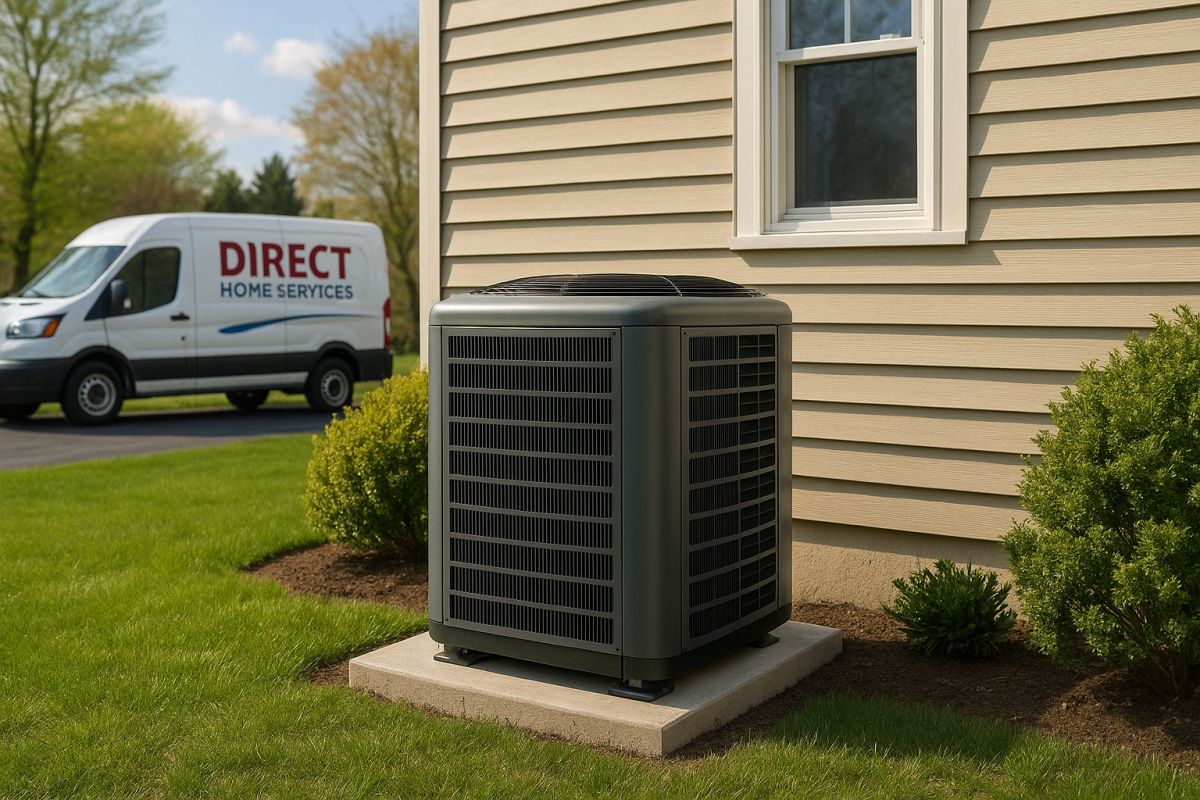
On installation day, a crew protects floors, removes old equipment, and sets the new air handler or indoor heads. The outdoor unit sits on a leveled pad or wall bracket, at least 12 inches above grade to clear snow. Line sets are routed cleanly, either through existing chases or in low-profile covers painted to match siding. Condensate drains terminate to safe locations with heat tape where needed. Electrical work includes a dedicated disconnect and properly sized breakers.
Refrigerant lines are brazed or flared with torque specs, evacuated to 500 microns or lower, and verified to hold vacuum. The system is charged by weight and fine-tuned with superheat and subcool readings. Static pressure and airflow are set with the installer menu. Smart thermostats or manufacturer controls are programmed for staging, dual-fuel lockouts, and dehumidification. A final walkthrough covers filter changes, cleaning schedules, and what to expect in the first week.
Maintenance That Protects Efficiency
Twice a year, clean or replace filters. Keep the outdoor coil free of leaves and cottonwood fluff. Rinse it lightly with a garden hose in spring. Inside, an annual check includes coil cleaning, drain line flushing, refrigerant performance checks, and control updates. In towns like Middlefield with plenty of maple pollen in May and oak leaves in fall, this routine keeps airflow stable and reduces surprises during heat waves.
Cost Ranges and What Drives Them
Most Middlefield projects fall into a few bands. A single-zone ductless system for a finished attic or addition often lands in the mid four figures after rebates. A whole-home ducted heat pump with a variable-speed air handler may cost in the low to mid five figures, depending on duct upgrades and electrical work. A hybrid design with one ductless head and a ducted main system sits between these numbers. Panel upgrades and complex carpentry raise the total, while existing tight ducts and accessible line set routes reduce it.
The lowest bid is not always the best value. A bid that includes duct sealing, right-sized returns, and a clean electrical plan often performs better and costs less to operate over time. Ask for the load calc, model numbers, and the exact scope of duct and electrical work.
How to Prepare Your Home for a Heat Pump
- Clear access to the mechanical room, attic hatches, and the outdoor unit location. Share recent energy bills and any comfort issues by room and time of day. Decide on thermostat locations and preferred control type, standard or smart. Confirm panel space and label accuracy to speed inspection. Plan for a simple backup strategy that fits your budget and comfort goals.
Why Local Experience Matters in Middlefield
Local terrain shapes performance. Along Lake Beseck, wind can drive sleet against north-facing walls, so placement and wind baffles matter. Up near Route 157, snow drifts require a higher stand and a wider service clearance. In older colonials with partial basement returns, adding a top-floor return changes the feel of the house more than any equipment spec. These are learned details from hundreds of installs in the area.
Direct Home Services has seen the shortcuts and their consequences: iced coils from poor drainage, noisy systems from high static, and rooms that never reach setpoint due to undersized returns. The team fixes these issues by design on day one, not after months of callbacks.
Ready for a Quote That Matches Your Home
A good heat pump is quiet, steady, and simple to live with. The right model and a proper heat pump installation turn January into an afterthought and make August more comfortable without blasting cold air. If you live in Middlefield, CT or nearby towns, Direct Home Services is ready to size your system, review rebate options, and lay out a clean plan that respects your home and budget. Call to book a visit or request an estimate online. A technician will measure, listen, and propose a clear path to year-round comfort that fits Middlefield’s climate and your house.
Direct Home Services provides HVAC repair, replacement, and installation in Middlefield, CT. Our team serves homeowners across Hartford, Tolland, New Haven, and Middlesex counties with energy-efficient heating and cooling systems. We focus on reliable furnace service, air conditioning upgrades, and full HVAC replacements that improve comfort and lower energy use. As local specialists, we deliver dependable results and clear communication on every project. If you are searching for HVAC services near me in Middlefield or surrounding Connecticut towns, Direct Home Services is ready to help.
Direct Home Services
478 Main St
Middlefield,
CT
06455,
USA
Phone: (860) 339-6001
Website: https://directhomecanhelp.com/
Social Media: Facebook | Instagram
Map: Google Maps